“amino acid” search results (200)
Detailed analysis of the ingredients of coffee beans general knowledge of fine coffee
Moisture: the water content of coffee beans varies greatly with different processing stages and products. The moisture content of wet coffee beans with film is about 50%, while that of dried raw coffee beans is about 10%-13%. The water content of roasted coffee beans is only less than 5%. The existence of water in coffee beans is the same as other kinds of food and beverages, because it contains a considerable amount of hydration colloid macromolecules.
2015-02-25 Coffee beans ingredients details analysis boutique coffee common sense moisture coffee beans containing
Would you prefer coffee or tea? Which is healthier, tea or coffee?
Study: drinking tea and coffee helps prevent kidney cancer A study shows that people who like coffee and tea may have a slightly lower risk of developing kidney cancer. The researchers analyzed the results of 13 previous studies that showed that drinking coffee and tea could prevent kidney cancer, while drinking milk, soda and fruit juices seemed to have no effect on kidney health. Previous studies have shown that drinking three or three cups a day
2015-10-26 Coffee or tea is better which is healthy?
Reasons why tea beats coffee
Tea leaves have always left a good impression in people's minds. The chemical composition of tea is composed of 3.5-7.0% inorganic matter and 93 - 96.5% organic matter. There are about 27 kinds of inorganic mineral elements in tea, including phosphorus, potassium, sulfur, magnesium, manganese, fluorine, aluminum, calcium, sodium, iron, copper, zinc, selenium and so on.
2014-08-11 Coffee knowledge Coffee and tea Coffee encyclopedia
11 reasons why tea beats coffee
Tea leaves have always left a good impression in people's minds. The chemical composition of tea is composed of 3.5-7.0% inorganic matter and 93 - 96.5% organic matter. There are about 27 kinds of inorganic mineral elements in tea, including phosphorus, potassium, sulfur, magnesium, manganese, fluorine, aluminum, calcium, sodium, iron, copper, zinc, selenium and so on. in tea
2014-05-23 Coffee Culture Tea Coffee
Detailed analysis of carbohydrates in coffee beans
★ moisture: the water content of coffee beans varies greatly with different processing stages and products. The moisture content of wet coffee beans with film is about 50%, while that of dried raw coffee beans is about 10%-13%, and that of roasted coffee beans is only less than 5%. The existence of water in coffee beans is the same as other kinds of food and beverages, because it contains a considerable amount of hydration colloid macromolecules.
2015-08-25 Coffee beans ingredients details analysis carbohydrates moisture coffee beans content no
Detailed Analysis of the components of Fine Coffee
★ moisture: the water content of coffee beans varies greatly with different processing stages and products. The moisture content of wet coffee beans with film is about 50%, while that of dried raw coffee beans is about 10%-13%, and that of roasted coffee beans is only less than 5%. The existence of water in coffee beans is the same as other kinds of food and beverages, because it contains a considerable amount of hydration colloid macromolecules.
2014-12-24 Boutique coffee common sense coffee beans ingredients details analysis moisture containing
Detailed Analysis of the components of Fine Coffee Bean
★ moisture: the water content of coffee beans varies greatly with different processing stages and products. The moisture content of wet coffee beans with film is about 50%, while that of dried raw coffee beans is about 10%-13%, and that of roasted coffee beans is only less than 5%. The existence of water in coffee beans is the same as other kinds of food and beverages, because it contains a considerable amount of hydration colloid macromolecules.
2014-11-18 Coffee knowledge boutique coffee coffee basics common sense coffee ingredients
Knowledge of high-quality coffee beans detailed analysis of the components of coffee beans
★ moisture: the water content of coffee beans varies greatly with different processing stages and products. The moisture content of wet coffee beans with film is about 50%, while that of dried raw coffee beans is about 10%-13%, and that of roasted coffee beans is only less than 5%. The existence of water in coffee beans is the same as other kinds of food and beverages, because it contains a considerable amount of hydration colloid macromolecules.
2014-09-27 Coffee knowledge coffee bean ingredients boutique coffee beans
Detailed analysis of the ingredients of coffee beans what are the ingredients in a coffee bean?
★ moisture: the water content of coffee beans varies greatly with different processing stages and products. The moisture content of wet coffee beans with film is about 50%, while that of dried raw coffee beans is about 10%-13%, and that of roasted coffee beans is only less than 5%. The existence of water in coffee beans is the same as other kinds of food and beverages, because it contains a considerable amount of hydration colloid macromolecules.
2015-10-09 Coffee beans ingredients details analysis one what moisture coffee beans content no
Coffee has more than 800 flavors.
The aroma of coffee itself is the main reason for the overall flavor attributes, which are different from the perceived taste and sweet, salty, bitter and sour attributes.
2014-05-16 Coffee knowledge Coffee news Coffee aroma
Coffee knowledge there are more than 800 coffee flavors.
The aroma of coffee itself is the main reason for the overall flavor properties, which is different from the perceived taste and sweetness, saltiness, bitterness and sour taste. Because, it can be said that aroma is the most important product attribute of special coffee, even instant coffee aroma substances can stimulate our taste buds. The difference is that instant coffee lacks the most important aromatic volatile components, which also leads to the whole.
2014-09-13 Coffee knowledge coffee aroma coffee taste
Why does coffee smell so good? Why is the aroma so strong when grinding coffee?
Caramel reaction once ordered a cup of Guatemala-Huehuetenango near the Kaohsiung Cultural Center and spent a beautiful afternoon with "my Adventure" (My Life As An Explorer by Sven Hedin). After drinking coffee, I accidentally found that the dry coffee stains at the bottom of the cup were arranged into interesting patterns, so I picked it up to see if I could see the next issue.
2016-05-07 Coffee why so aroma then saccharification reaction one time Kaohsiung culture
Detailed Analysis of the components of Fine Coffee beans
Volatile compounds are the primary source of coffee flavor, especially for coffee quality. There are many kinds of volatile snail in coffee, and its existence will affect the aroma quality of coffee. Its primary origin is derived from the non-volatile substances in raw beans which are disconnected or derived from spinning hooks in the process of roasting. Impregnation of thermal differentiation, other spinning hooks or compositions, such as sugars and amino acids
2014-09-04 Coffee knowledge boutique coffee beans coffee bean ingredients coffee bean analysis
Roasting is the "key" coffee base in coffee processing
The components of coffee quality (such as the quality and magnitude of acidity and bitterness, the intensity and quality of aroma) are determined at the green bean stage. Although roasting can only adjust the taste within the range of characteristics possessed by green beans, roasting has a far greater impact on coffee taste than grinding and extraction, which transfer the active ingredients produced after roasting into the coffee liquid and create flavor.
2015-10-06 Roast Coffee Processing Medium Focus Base Quality Components Acid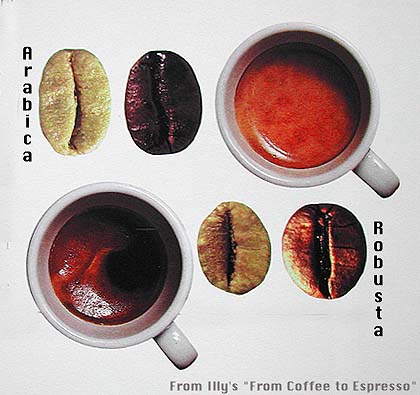
Use a siphon pot to make delicious coffee Japanese coffee siphon single Japanese coffee utensils
(1) Caramelization: the sugar in coffee beans is caramelized at about 170-200 ℃, which is exactly the melting point of sucrose (185 ℃) and the temperature of the explosion stage when coffee beans are roasted. The product of caramelization is divided into two parts: 1. The dehydration product of sugar is caramel or sauce 2. The pyrolysis products are mainly volatile aldehydes and ketones. In general, in the caramelization reaction
2016-07-20 Siphon make delicious coffee Japanese style single product Japanese utensils saccharification reaction
Coffee contains more nutrients than many important foods
Nowadays, food chemistry is becoming more and more important to our lives, because a series of serious diseases are related to our diet, and it is estimated that there are three deaths in the United States each year. These diseases include the heart.
2014-08-28 Coffee knowledge coffee nutrients coffee ingredients
What's the difference between L-carnitine coffee and regular coffee?
L-carnitine coffee is not only a domestic L-carnitine coffee brand product, but also one of the best L-carnitine coffee brands in the world. At the same time, there are many fake and shoddy products, the author consulted weight loss experts, weight loss experts pointed out that the main problems are: 1, impersonating official agencies or authorized agencies, for example, Chinese mainland appears the so-called Amoy
2015-04-13 Levorotatory carnitine coffee what is ordinary what distinction levorotatory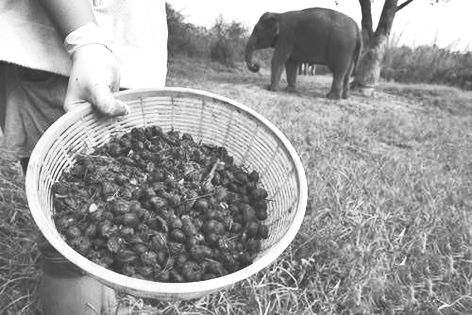
Do cat poop and elephant shit coffee really taste good?
I'm afraid many people are no stranger to coffee, but do you know Kopi Luwak and shit-like coffee? What are their peculiarities? What's the difference in taste? (source: China Science News) Kopi Luwak refers to the raw coffee beans excreted by civets after eating fresh coffee beans and digesting the peel and flesh of coffee berries through their intestines. Freshly picked coffee beans from the outside to
2015-07-22 Cat shit like shit coffee really delicious for coffee I'm afraid a lot of people not
Coffee common sense the "focus" of a cup of coffee is roasting.
The components of coffee quality (such as the quality and range of acidity and bitterness of coffee, the intensity and quality of aroma) are determined at the raw bean stage, although roasting can only adjust the taste within the range of characteristics of raw beans, but the effect of roasting on the taste of coffee is greater than grinding and extraction, grinding and extraction is to transfer the active ingredients produced by roasting to the coffee liquid, and to create flavor.
2015-04-10 Coffee common sense one cup focus roasting processing coffee quality components acid
Is cat shit and elephant shit coffee really delicious? What's the difference in taste?
I'm afraid many people are no stranger to coffee, but do you know Kopi Luwak and shit-like coffee? What are their peculiarities? What's the difference in taste? Kopi Luwak refers to the raw coffee beans that the civet eats the fresh coffee beans and digests the peel and flesh of the coffee berries through the intestines. Freshly picked coffee beans include exocarp and pulp from the outside to the inside.
2015-10-22 Cat shit like shit coffee really tastes good what's different for